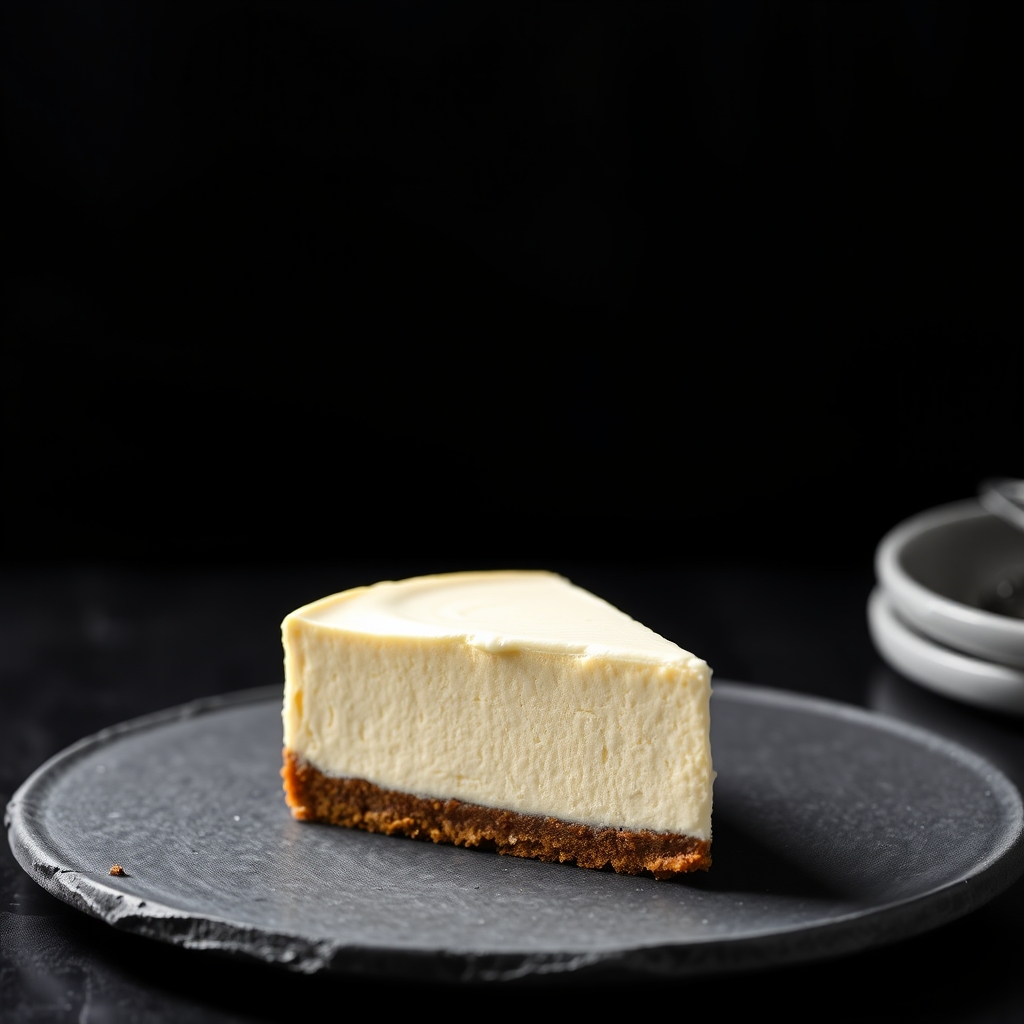
Classic AGA Cheesecake
Food

Classic AGA Cheesecake

The cast-iron approach to American excess

10 servings
20 min prep
2 hr 10 min cook
2 hr 30 min total
Equipment: AGA Oven

The AGA cooker is a peculiar British institution—a cast-iron range that never turns off, invented by a blind Swedish physicist in 1922 and adopted by the English country house set with almost religious devotion. It operates on thermal mass rather than thermostats, which means learning to cook on one is less about following temperatures and more about developing an intuition for which oven does what. The Roasting Oven is ferociously hot. The Simmering Oven is gentle. The Baking Oven, on models that have one, sits somewhere in between.

The New York-style cheesecake would seem an unlikely candidate for AGA adaptation, but the Simmering Oven turns out to be perfect for the long, slow bake that produces that characteristic dense-yet-creamy texture. The technique is counterintuitive: you start hot in the Roasting Oven to set the surface, then transfer to the Simmering Oven where the residual heat does the real work over two unhurried hours. The result is a cheesecake with no cracks, no sinkage, and a texture that lies somewhere between custard and cloud.

The chocolate digestive base is a concession to British taste. Americans would use graham crackers. The Norwegians, from whom this particular recipe descends, use whatever sweet biscuits are at hand. All approaches work. The filling is what matters.

Method

  1. 1

    Prepare the base

    Place biscuits in a freezer bag and crush to fine crumbs with a rolling pin. Melt butter in a saucepan and mix thoroughly with crumbs.

    💡 Alternatively, pulse biscuits in a food processor.

  2. 2

    Press into tin

    Line a 23cm AGA springform tin with baking paper on the base. Press crumb mixture firmly into the base. Refrigerate while making filling.

  3. 3

    Make the filling

    Beat cream cheese, soured cream, sugar, eggs, vanilla, and lemon zest until completely smooth. Pour over the chilled biscuit base.

    💡 Room temperature cream cheese is essential—cold cheese creates lumps.

  4. 4

    Initial bake (2-oven AGA)

    Place tin on the grid shelf on the floor of the Roasting Oven. Slide the cold plain shelf onto the second set of runners above. Bake for 10 minutes.

  5. 5

    Slow bake

    Transfer to the centre of the Simmering Oven. Bake for approximately 2 hours until just set in the centre—it should wobble slightly when gently shaken.

    💡 The gentle heat prevents cracking.

  6. 6

    For 3, 4, or 5-oven AGA

    Place on grid shelf on the floor of the Baking Oven. Bake for 20 minutes, then transfer to the Simmering Oven for approximately 2 hours.

  7. 7

    Cool and chill

    Allow to cool completely in the tin. Don't worry if a small crack appears—the topping will cover it. Refrigerate for at least 4 hours, preferably overnight.

  8. 8

    Serve

    Remove springform side. Use a wide palette knife to transfer to a serving plate. Top with fresh strawberries and dust with icing sugar if desired.

Notes & Tips

AGA temperature notes

  • AGA ovens don't have thermostats, so times are approximate. The cheesecake is done when the edges are set but the center still wobbles slightly—it will continue to set as it cools.

Preventing cracks

  • Cracks come from too-rapid temperature changes. Let the cheesecake cool in the oven with the door slightly ajar before refrigerating.

Biscuit alternatives

  • Plain digestives, ginger snaps, or shortbread all work for the base. Adjust butter slightly—drier biscuits need more.

Make-ahead

  • The cheesecake actually improves after 24 hours in the refrigerator. Make it the day before serving for best results.

Variations

  • Substitute lime zest and juice for lemon
  • Add 100g melted white chocolate to the filling
  • Swirl in 100g of passion fruit pulp before baking