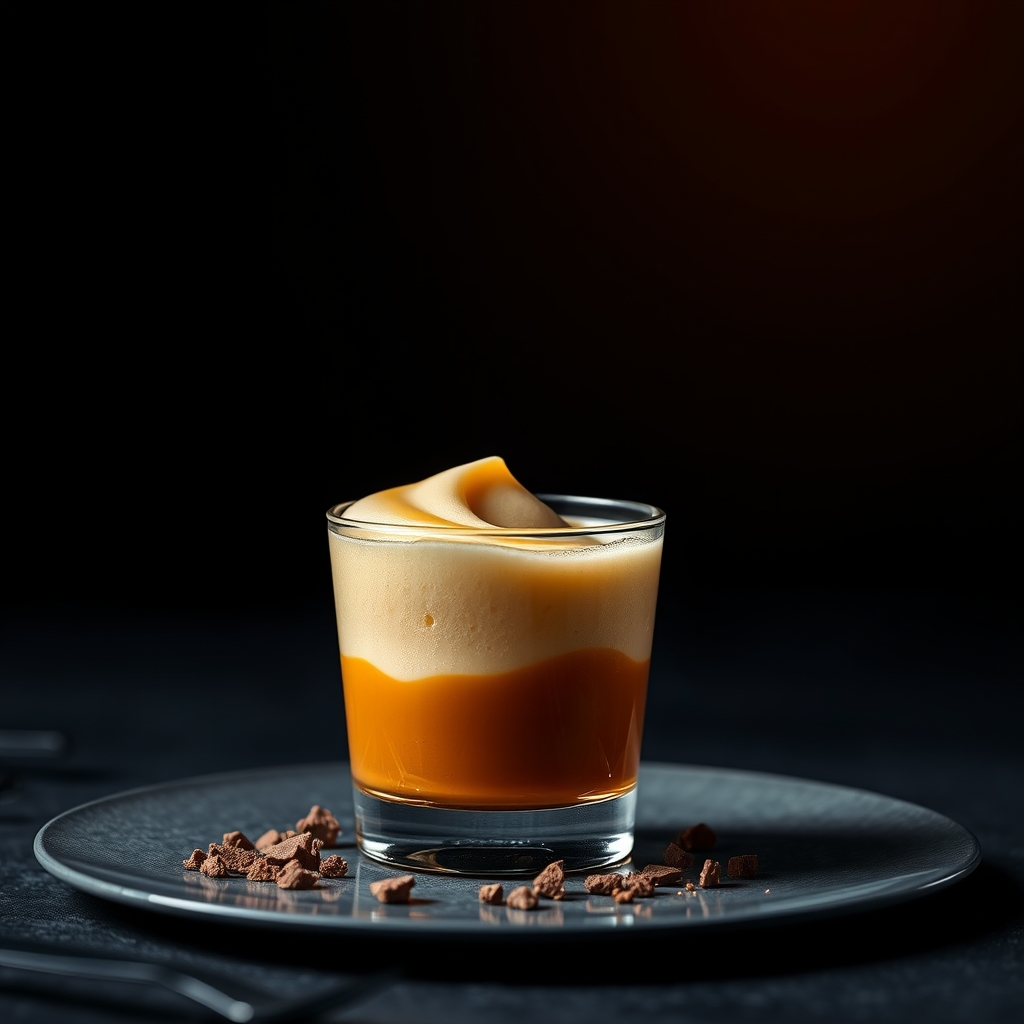
Caramel Espuma
Food

Caramel Espuma

Molecular gastronomy meets caramel sauce

6 servings
20 min prep
15 min cook
35 min total
Equipment: ISI Siphon

The iSi whipping siphon is one of those pieces of equipment that professional chefs adore and home cooks regard with suspicion. It looks vaguely industrial, involves pressurized gas, and seems like it might explode if mishandled. This reputation is undeserved. The siphon is simply a way to inject air into liquids, and once you understand this, a whole category of textures becomes available that would otherwise require specialist machinery.

This caramel espuma occupies the territory between ice cream and mousse—lighter than the former, richer than the latter. The technique is straightforward: you make a proper caramel custard base, rich with egg yolks and cream, chill it thoroughly, then charge it with nitrous oxide. What emerges from the nozzle is a cloud of caramel-scented foam that collapses slowly on the tongue, releasing its sweetness in stages.

The Scandinavians, who perfected this recipe, traditionally garnish with crushed Daim bars—those Swedish confections of butter-almond toffee coated in chocolate. It's a textural counterpoint that makes the ethereal foam feel intentional rather than insubstantial. Without something to crunch against, the espuma can feel like you're eating perfumed air. With the Daim, it becomes a proper dessert.

Method

  1. 1

    Make the caramel

    Place sugar in a heavy-bottomed pan over medium heat. Allow to melt without stirring, swirling occasionally, until you have a golden-brown caramel.

    💡 Watch carefully—caramel goes from perfect to burnt in seconds.

  2. 2

    Add liquids carefully

    Combine milk and cream in a separate container. Add to the caramel in a slow stream, stirring constantly. The caramel will seize and steam violently at first, then dissolve.

    💡 Adding the dairy too fast causes dangerous splattering.

  3. 3

    Temper the egg yolks

    Whisk egg yolks in a bowl. Slowly pour the hot caramel-cream mixture over the yolks while whisking continuously. This tempers the eggs without scrambling them.

  4. 4

    Cook the custard

    Return mixture to the pan over medium heat. Stir constantly with a spatula, scraping the bottom, until the custard reaches 82°C on a digital thermometer. The mixture should coat the back of a spoon.

    💡 Do not exceed 85°C or the eggs will curdle.

  5. 5

    Strain and chill

    Strain the custard through a fine-mesh sieve into a bowl. Cover with plastic wrap pressed directly onto the surface. Refrigerate for at least 2 hours, or overnight.

  6. 6

    Charge the siphon

    Pour the cold custard into the siphon. Seal according to manufacturer's instructions. Insert one N2O charger and shake vigorously for 10-15 seconds.

    💡 The mixture must be thoroughly cold or it won't hold the foam.

  7. 7

    Dispense and serve

    Hold the siphon upside-down and dispense into chilled glasses. Garnish immediately with crushed Daim or grated chocolate. Serve at once.

Notes & Tips

Siphon technique

  • The siphon works best when the contents are very cold. If your foam is too liquid, return the siphon to the refrigerator for 30 minutes.

Caramel depth

  • For a deeper, more bitter caramel flavor, cook the sugar until dark amber. For a sweeter, lighter result, stop at golden brown.

Make-ahead

  • The custard base can be made up to 3 days ahead and stored refrigerated. Charge the siphon just before serving.

Variations

  • Add 30ml dark rum for a boozy version
  • Infuse the cream with a scraped vanilla pod
  • Add 1 tbsp instant espresso for salted caramel-coffee

Safety

  • Always use chargers rated for food use. Never over-charge the siphon. Always point the nozzle away from faces when dispensing.