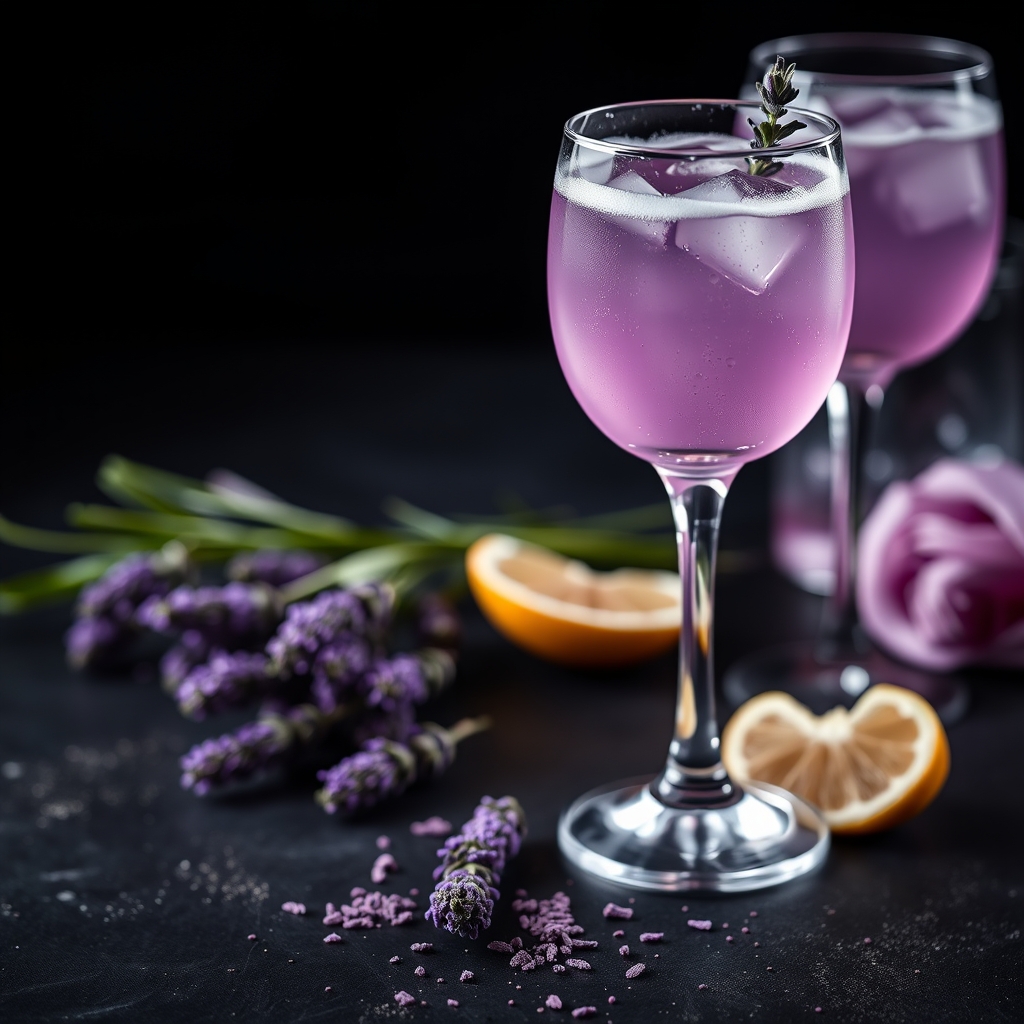
Cocktail
Vanilla Sidecar
Classic elegance with a Spanish whisper of vanilla warmth
Prep
3 min
Cook
0 min
Servings
1
The Sidecar belongs to that golden age of cocktails when bartenders wore pressed shirts and drinks had names that suggested adventure rather than ingredients. Created sometime between the world wars (probably in Paris, possibly in London, definitely in a hotel bar where Americans gathered to drink away Prohibition), it represents the Platonic ideal of the cognac cocktail.
The formula is architectural in its simplicity: cognac, orange liqueur, lemon juice. But like all great architecture, the beauty lies in the proportions and the quality of materials. Cheap cognac makes a harsh Sidecar. Bad orange liqueur makes it cloying. And bottled lemon juice makes it a waste of time entirely.
Enter Licor 43, with its vanilla-citrus complexity, replacing the traditional Cointreau or triple sec. The Spanish liqueur adds depth where orange liqueur might add only sweetness. The vanilla notes complement cognac's grape and wood character, while the citrus oils echo the lemon juice. It's not revolutionary—it's evolutionary. The Sidecar, perfected.
Scale Recipe
1
10
20
or
"I have 500g of lamb — scale everything else"
Instructions
0/5 complete